
Preparing for an overland adventure or extended trip includes several essentials
Mt. Edgecumbe Country Park boasts a commanding view over Plymouth Sound on the south coast of Cornwall. This ancient harbor was the embarkation point for legendary explorers such as James Cook and Robert Fitzroy (Darwin’s captain) – not to mention the much (and probably unfairly) maligned William Bligh.
A few Septembers back, I was there to give a presentation titled “Prepping a vehicle for long-distance travel” at the Armchair Adventure Festival, a lively and friendly gathering of not-quite-so-legendary explorers and not-quite-so-legendary aspiring explorers.
Readying a vehicle for travel today is neither as exhaustive nor as fraught as equipping the Endeavor, Beagle, or Bounty for multi-year excursions to parts of the world completely untouched by the European idea of civilization. For example, the Endeavor’s edible provisions for Cook’s first voyage included 6,000 slices of salt pork and 4,000 of beef, three tons of sauerkraut, nine tons of bread and a ton of raisins, plus 250 barrels of beer, forty-four barrels of brandy, and seventeen barrels of rum, plus an entire barnyard of live goats, sheep, ducks, and chickens.
Nevertheless, to describe as far as is possible in advance how to ensure a safe, healthy, and comfortable long-distance vehicle-based journey in the 21st century, a one-hour class is scarcely sufficient. I crammed in quite a lot of information, and invited the attendees to chat or contact me later with further questions.

Several did, but one posed what I thought was an interesting challenge: He asked what, off the top of my head, were the first half dozen things I’d recommend for an extended trip. Here’s what I came up with in two minutes.
Good tires. You’d think this would be obvious, but I’ve lost track of the people I’ve met who put tires below beer on the list of necessary expenses, and who are happy to embark for the trip of a lifetime riding on whatever brand was on sale at Walmart. Don’t do it – and by the same token, don’t make the mistake of asking for tire advice on an overlanding forum: You’ll get thirty responses with forty suggestions. Unless you have extensive personal experience with an “off” brand, stick with a company that’s been in the business of making 4×4 tires for decades. We use BFG All-Terrains (OutdoorX4’s Publisher has been super impressed with the latest BFG KO3), but Michelin, Goodyear, and Yokohama are among the respected alternatives. Need I say all five should be the same?
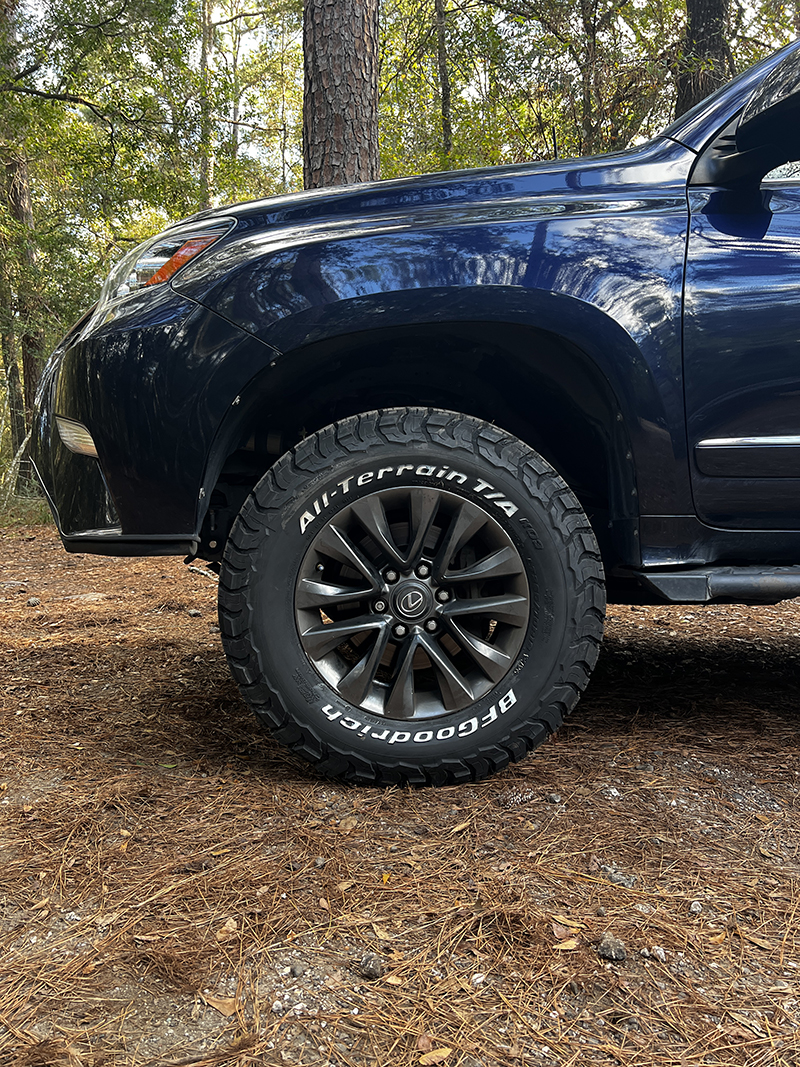
BFG’s KO3 tire has proven to be an exceptional all-terrain after nearly 20k miles of use. Photo by Frank Ledwell.
Dual battery system. Tires are the number one cause of breakdowns in the backcountry. Number two is battery failure, whether due to negligence or a faulty/worn product. I consider a dual-battery system an absolute necessity for any remote travel, both to virtually eliminate the possibility of being stranded due to battery trouble, and to have the luxury of extra power for lights, accessory charging, and a fridge (see below). The future probably belongs to LiFePO4 (Lithium) batteries, but for now the safe choice is AGM. For charging and management, I’ve had excellent service from National Luna (basic) and Redarc (sophisticated).
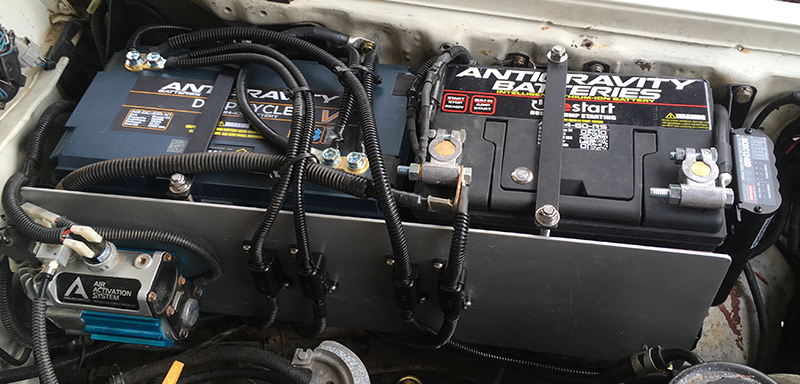
A tried and true setup featuring Antigravity Batteries and a National Luna dual battery system. Photo by Jonathan Hanson.
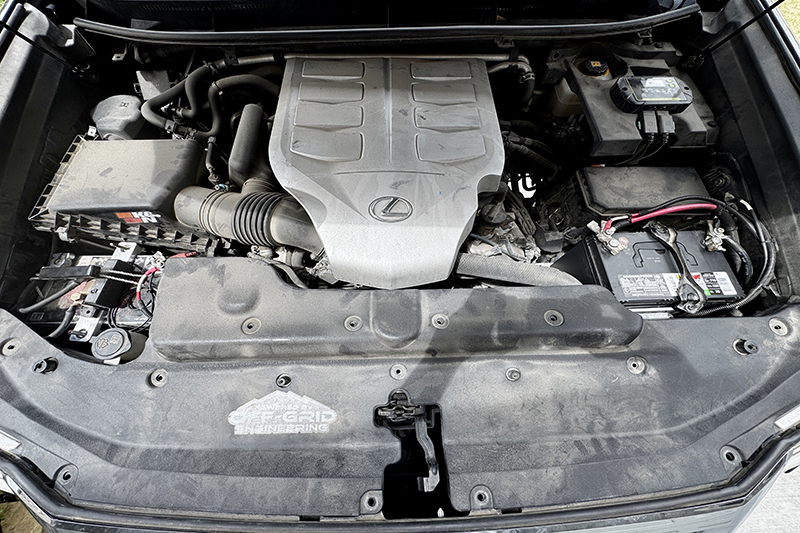
The Off Grid Engineering dual battery system (featuring Redarc Electronics) in the OutdoorX4 GX460. Photo by Frank Ledwell.
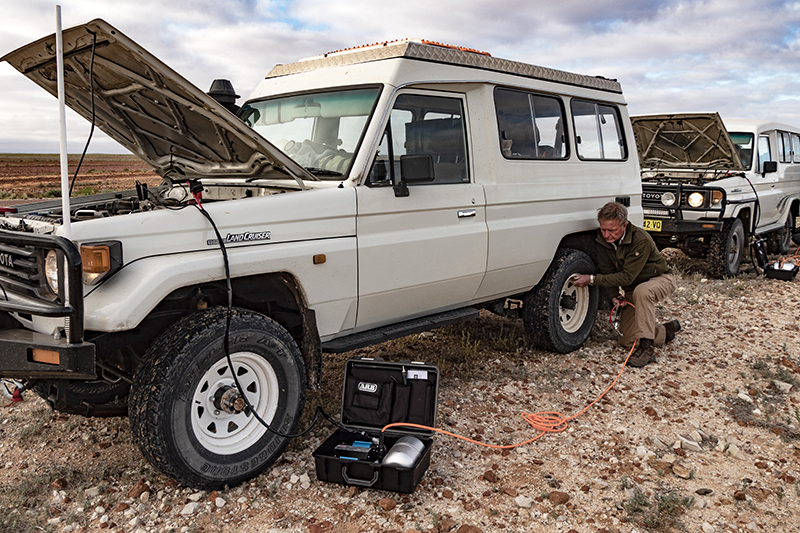
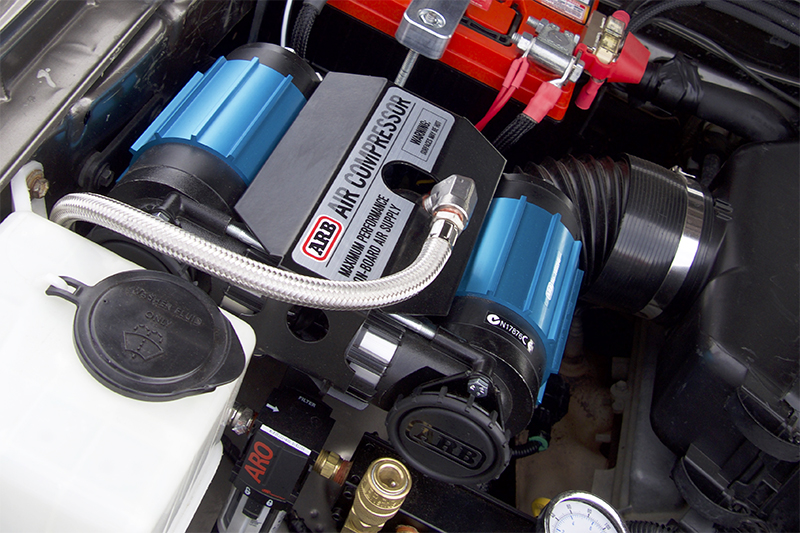
Air compressor. Nothing short of cross-axle diff locks ($$$) will enhance the off-pavement ability of a vehicle as much as airing down the tires to suit conditions. But if it’s not quick and easy to air them back up, you won’t do it. You need a powerful compressor with at least a 50-percent duty cycle. The best one I’ve ever used is the ARB Twin, but their “lesser” compressors are also excellent, as are those from Extreme Outback and Viair.
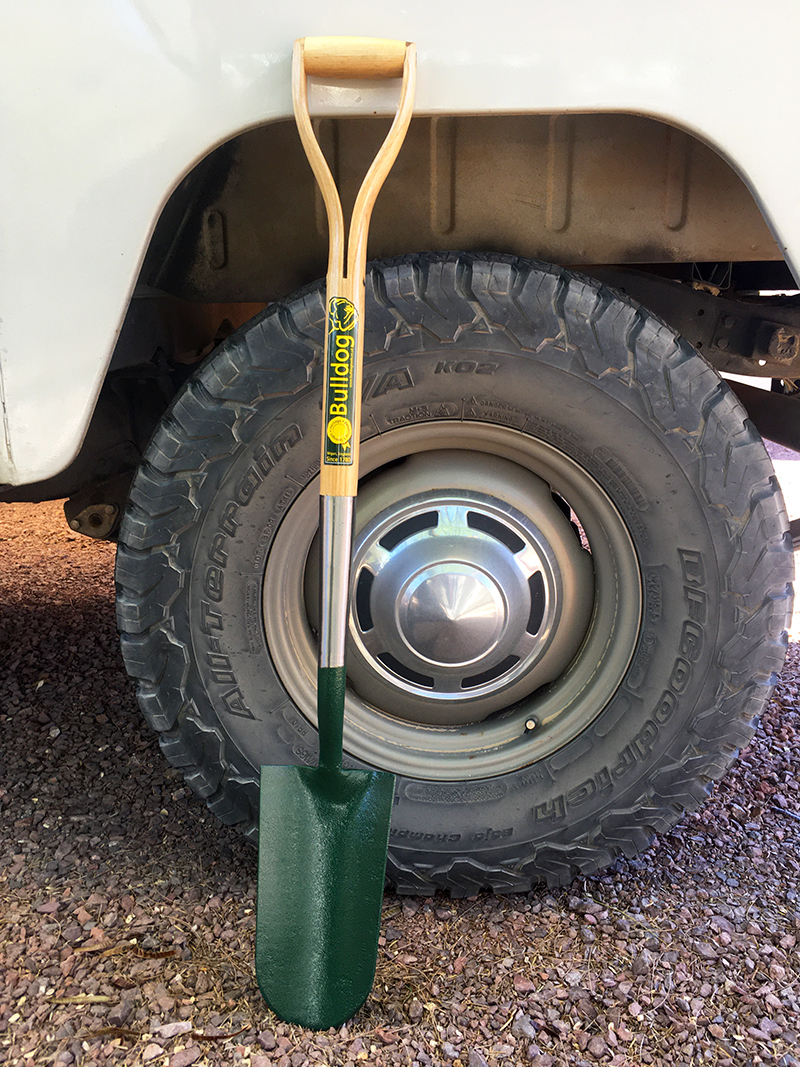
Shovel. Newcomers to our activity always expect (or hope) I’ll recommend a winch for recovery. But a winch is way down on my list, in part due to expense (including the needed bumper and accessories) and the potential for injury if not done carefully. The fact is, a shovel and patience (plus sweat) will get your vehicle out of most sticky situations. Skip the $20 folding things – and the $250 “tactical” models – and buy a Bulldog (also sold as Clarington Forge) Premier 28” Rabbiting spade. These are forged in England, with a blade narrow enough to reach under a vehicle bogged in sand. As an added bonus, shovels are also very useful in camp.
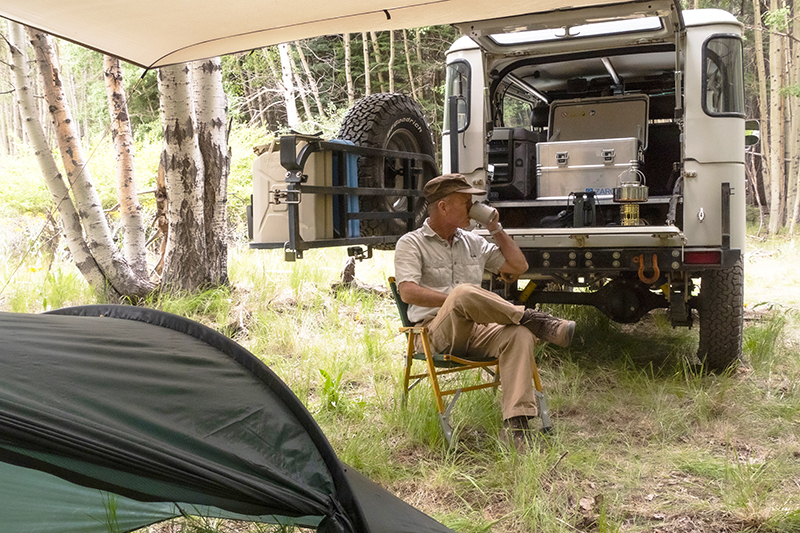
Chair. Huh? A chair on the same list of essentials as tires and dual batteries? Absolutely: No other single thing so quickly transforms a camp into a traveling home. However – to continue hammering a theme here – it should be of high-quality construction. After every single Overland Expo we ran, I found several of those cheap accordion-fold chairs with twenty plastic joints in the dumpsters. My favorite all-around chair is the clever, U.S.-made Kermit; however, I’m very impressed with the new Dometic GO model. For subscribers of OutdoorX4, you can also read a chair comparison featured in Issue 53 of OutdoorX4 in digital HERE.
Fridge. Cold beer? Sure – but that’s not why it’s on my list (well, maybe a little). The fact is, a fridge helps keep you healthy on long journeys by making it possible to carry fresh fruits, vegetables, and dairy products for far longer than you could otherwise. You don’t need a 100-liter monster; the standard 40-liter models hold more than enough since – in contrast to a cooler and ice – you can reload the fridge with beer and soft drinks each day. Look for a brand such as ARB, Dometic (OutdoorX4 is currently working on a project trailer incorporating the Dometic CFX5 55IM), Engel, or National Luna, and don’t be afraid to buy used if you can’t afford new. These appliances are durable enough to last decades.
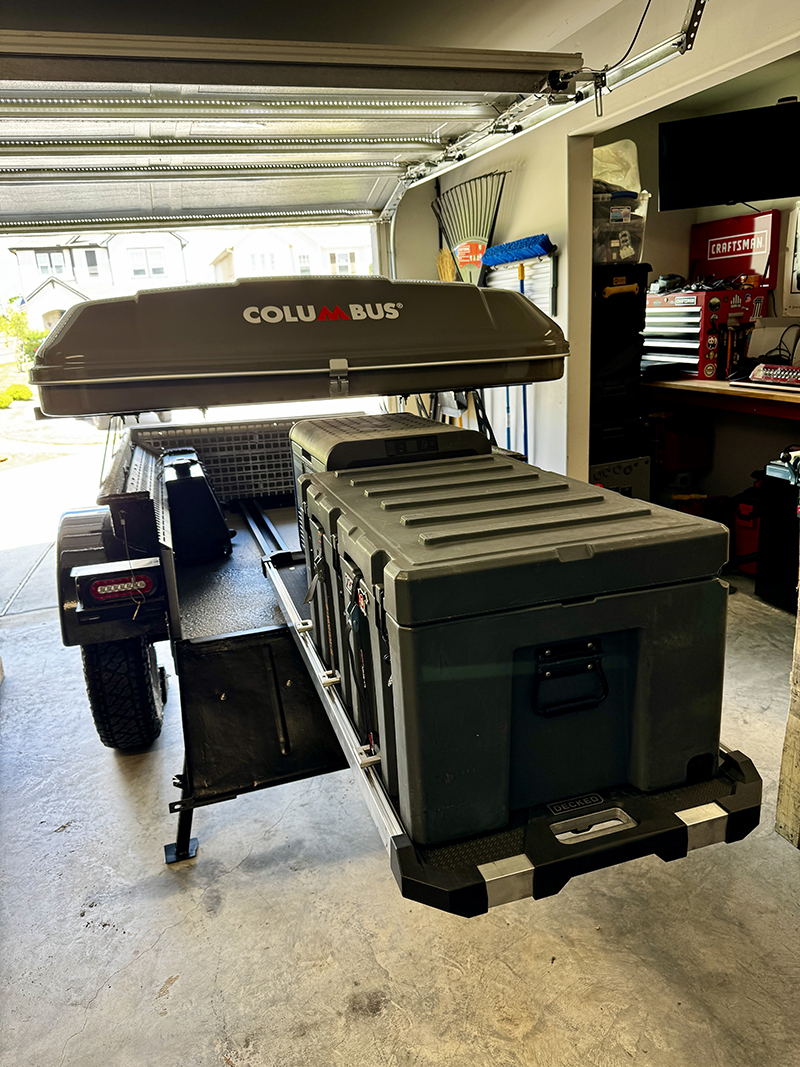
While not a particularly good photo since this project has not yet been completed, the Dometic CFX5 55IM fridge/freezer is in the background and is an exceptional option for vehicle-based adventures. Photo by Frank Ledwell.
Notice one overarching trend here? Yep: Whatever you buy for a long-distance journey should be of the best quality available. Confidence in your kit is critical to peace of mind on any journey, short or long.

Editor Note: This column was previously published in OutdoorX4’s Issue 46.
OutdoorX4 – Promoting responsible vehicle-based adventure travel and outdoors adventure