A 5-day journey through storms, swollen rivers, rugged trails, and the unexpected turns that tested both man and machine
There’s something about heading into the unknown with your Jeep, your gear, and a crew of friends that gets your blood pumping. The Ozark Overlanding Adventure Trail had been calling my name for a while, and this past April, we finally made it happen. Only problem? A massive storm system had just ripped through the area—tornadoes, flooding, the works. It left us wondering if the trail was even passable.
Our group came together to discuss potential outcomes. Turning around and coming back another day was on the table, but the more we mapped out options, the more excitement bubbled up. This was an opportunity to drive straight into the unknown. And that’s the essence of overlanding—you don’t always know what’s coming next, but you saddle up and send it anyway.
We decided to run the trail backwards, starting down in Hector, Arkansas, and making our way north. The plan? Knock out some epic miles, tackle a few water crossings, and find that perfect campsite under the stars. Simple enough on paper. In reality… the Ozarks had other plans.
Rivers That Test You
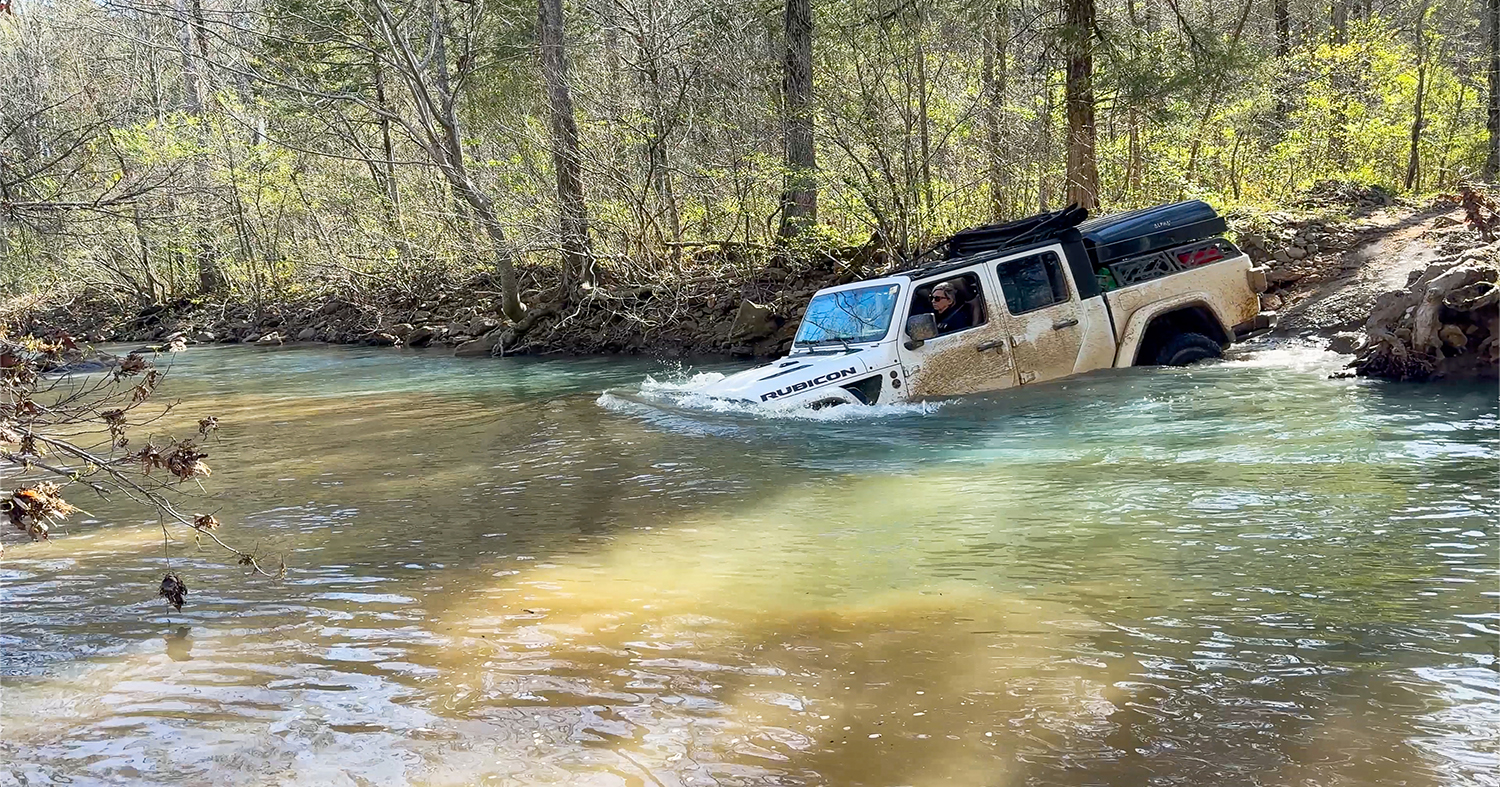
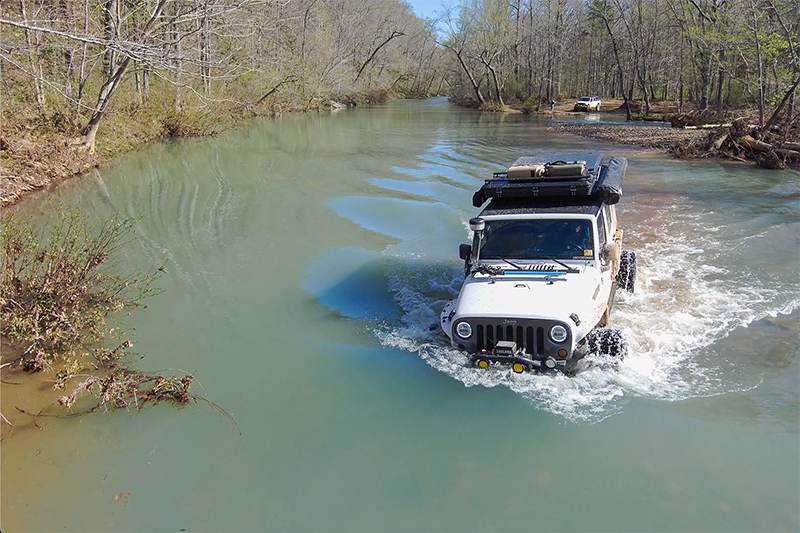
Right out of the gate, the trail tested us. The first few water crossings looked harmless—narrow, calm, nothing we hadn’t handled before back home in Georgia. But the moment the tires touched the water, the deception hit. These crossings were deep—deeper than anything we’d encountered in the Southeast. Each one left us wide-eyed, tires churning, water pushing hard against the Jeeps.
Then came the washouts. Arkansas trails don’t mess around when it comes to erosion. Slick mud, steep walls, sharp rocks—every element was primed for a struggle. One by one, our rigs clawed their way through, slipping and spinning, occasionally getting hung up. It wasn’t pretty, but that’s half the fun.
At one point, the trail angled sharply, and my Jeep leaned so hard I thought we might flip. Picture a 30-degree tilt with the side scraping against the dirt wall, inching forward while my stomach lurched. I was praying rubber stayed on the ground.

North Fork River
As daylight faded, we arrived at the first major crossing: the North Fork River. Raging from the storms, the water levels were high, the current unforgiving. Standing there, we knew instantly—nope. That crossing wasn’t happening tonight.
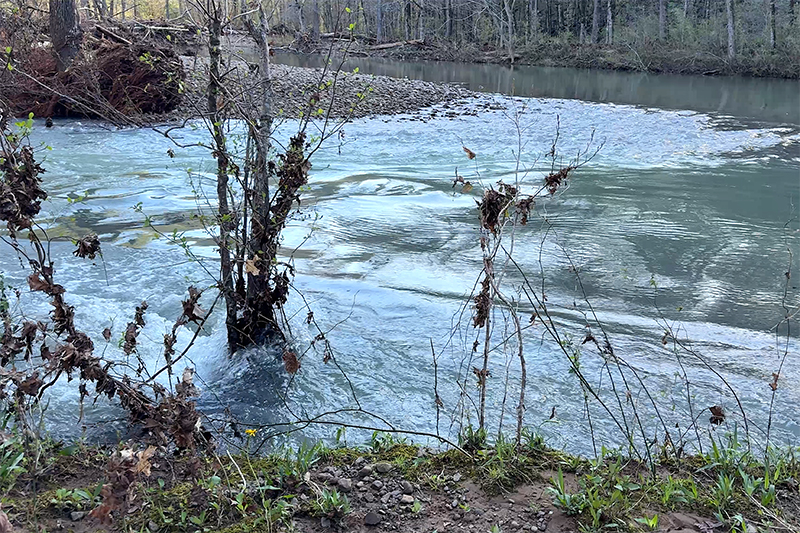
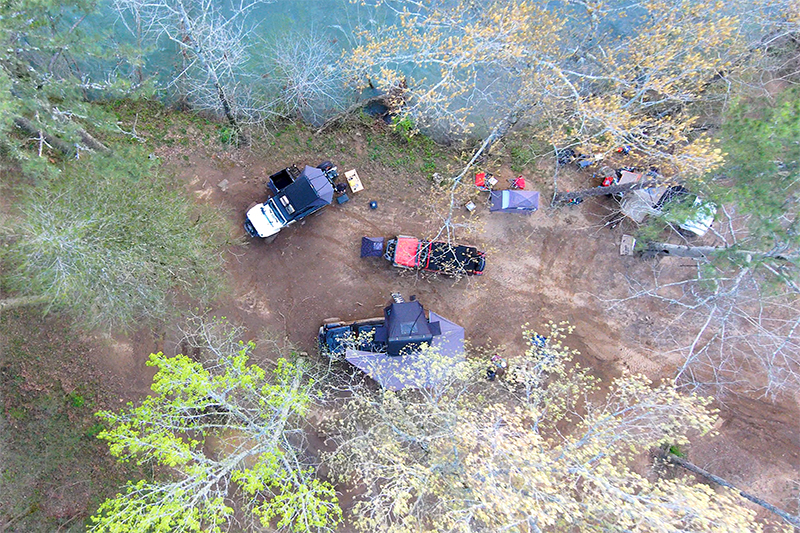
But the trail had its own plan. Right at the river’s edge, we found one of the most epic campsites imaginable. Wide open, tucked into trees, with the river roaring beside us. It was the kind of spot you can’t find on a map.
We pitched camp, fired up stoves, and settled around the fire swapping stories and laughing about the day’s sketchy moments. The rushing water set the perfect backdrop as we finally crawled into our tents. Day one hadn’t gone as planned, but that’s the beauty of overlanding—the best moments aren’t the ones you map out. They surprise, scare, and leave you with stories worth telling.
Through the Storm’s Wake
Morning at North Fork Illinois Bayou was equal parts peaceful and intimidating. The river wasn’t going anywhere, and to continue north, we had to cross it. The water was still wild, currents ripping like they had a vendetta against Jeeps. After weighing options, we sent our rigs across one by one. Hearts racing, we finally made it to the far bank.
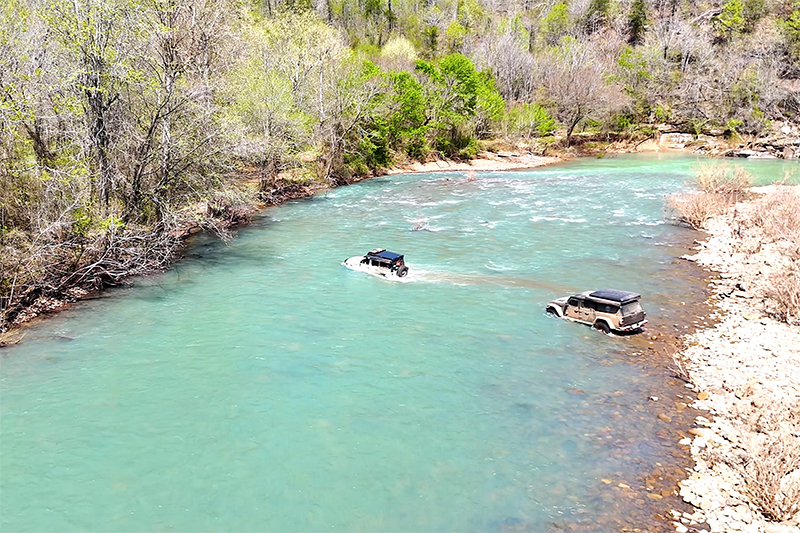
The aftermath of the storms was everywhere: downed trees, mud, debris, and river washouts reshaping the trail. Every mile forward meant careful line choices, spotting each other through messes, and pushing deeper into the unknown.
Along the way, we reunited with more Jeepers, Stuart and Colleen, bringing our convoy to eight rigs. More vehicles meant more recovery power, but also a longer train of overlanders winding through the Ozarks.
A Step Back in Time
Continuing west, we stumbled upon a relic—the Old Union Schoolhouse built in the 1860s. Kids once ran up those steps, filling the tiny room with chatter. Surprisingly well-preserved, it felt frozen in time. We explored, snapped photos, and ate lunch on the steps. Eating sandwiches in a 160-year-old classroom in the middle of the woods? Priceless.
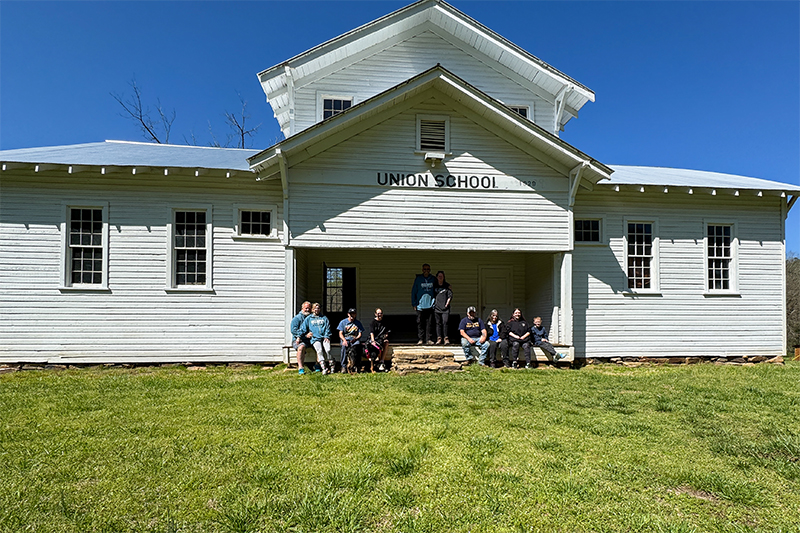
Later, we found a west-side river campsite that welcomed all eight rigs. After the chaos of river crossings and storm debris, it felt calm—a temporary rare moment of ease on the trail.
Explosions and Hidden Gems
Night fell, and the calm was shattered by a nearby group setting off explosions on private land. These weren’t pistols—real, chest-thumping blasts. Sleep was brief, and the show resumed at 7:30 a.m., but hey—that’s overlanding. Sometimes you get starlit silence, sometimes midnight fireworks courtesy of Arkansas.

The morning started smooth, but halfway in, the trail got spicy: big rocks, deep crevices, and off-camber sections that made you second-guess your line. The final stretch had my Jeep leaning sideways, rubber barely gripping the dirt. A sketchy adrenaline spike, but that’s exactly what we came for.
The Legendary Oark Café
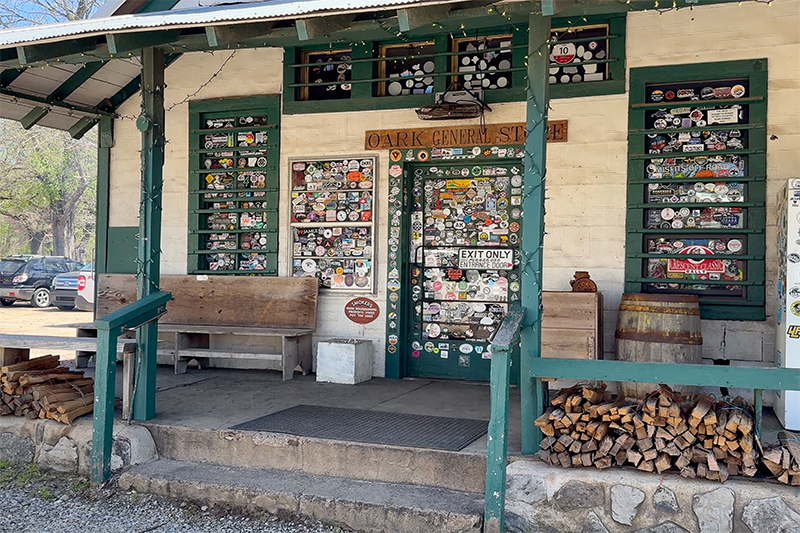
By lunch, the trail delivered us to the Oark Café—a tiny historic spot and landmark for overlanders. Sticker-covered walls told stories of rigs that came before, and of course, I left my Road Rash Off Road mark. Big burgers loaded with mushrooms and onions tasted better after earning them. Old-school gas pumps outside reminded you this was no ordinary roadside stop.
Post-lunch, we hit Bub’s Cabin, a living museum of early 1900s life. Cabins, barns, storm shelters, and artifacts transported us back generations. Later, Car Wash Falls added fun—a waterfall pouring straight over the road, giving our rigs a natural rinse.
We claimed a river campsite, set up tents, and shared a birthday celebration for Sarah with steaks over the fire, laughter, and the tiniest deck of UNO cards imaginable. Exhausted but exhilarated, I fell asleep to the sound of the river, explosions now just a memory.
The Fall That Changed Everything
Day four started like any other. Coffee in hand, early rise, ready to roll. The first stop: Haw Creek Falls. Piercing bluish-green water, freezing but unforgettable. The trail offered moderate rock crawling, mountain views, and light river crossings. Downed trees forced more chainsaw work—a convoy of Jeeps and a couple saws turned obstacles into passable paths.
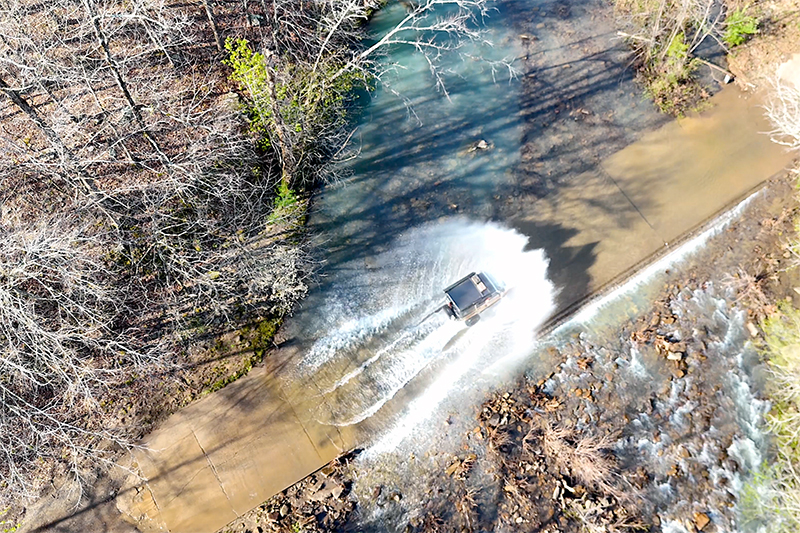
The Crossing That Changed Everything
Then came the crossing that changed everything. An island with downed trees blocked the way. I cut a path, and Then Anthony pulled in behind me. What none of us realized was that he’d left his tailgate open after handing me his chainsaw. As soon as he hit the current, the river rushed straight into his Jeep, sweeping his gear—including his refrigerator—right out the back and down the river. Total chaos. While trying to reach his rig via a fallen tree, I fell seven feet into the river, slamming my ankle onto the rocks. The pain was instant, sharp, and brutal. By the time I pulled myself up, my ankle had already ballooned to the size of a baseball. It didn’t take long to realize—I was in trouble.
Making the Best of It
We sorted the crossing, limped to camp, and improvised mobility aids. Just as we were settling into camp, with little to no service, I received an emergency satellite message from back home. My dad had been admitted to the ICU again. The adventure was no longer about the trails—it was about whether I could even stay out there.
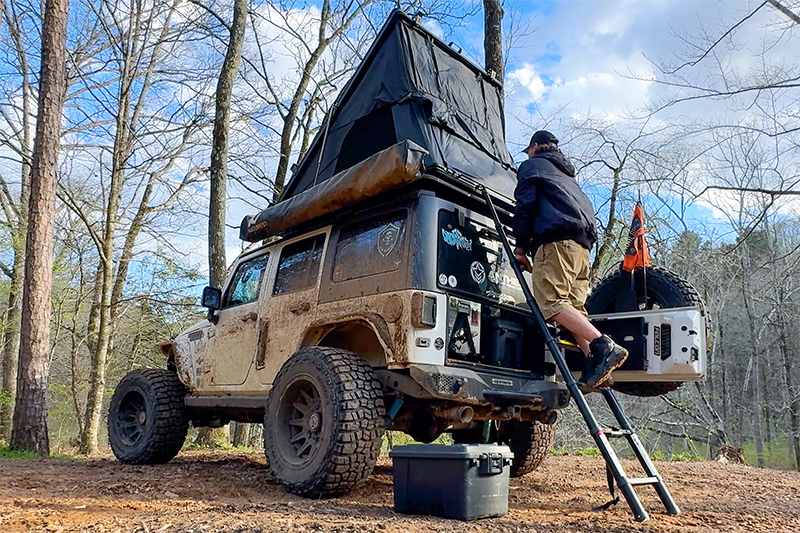
Pushing Through Pain
The last morning of the trip started at camp, tucked away deep in the Ozarks. My ankle was still a wreck—swollen, tender, and every step felt like fire shooting up my leg. I could barely walk, but the only way out was forward. We had one goal: finish the trail, reach the Buffalo River, and then point the rigs toward home.
Before breaking camp, I fired off a satellite message back home to check in on my dad. The update came back—he was stable. It felt like another scare, but not a critical one this time. Relief washed over me. It wasn’t perfect news, but it gave me enough peace of mind to finish what we had started. My plan was simple: complete Day 5, get out of the Ozarks, then hammer down for a ten-hour overnight drive back home.
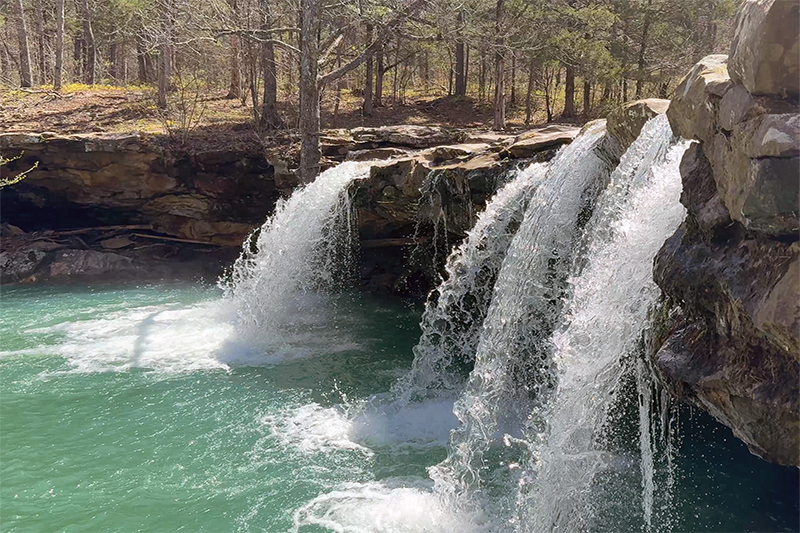
Crossings tested the rigs, and stops like Falling Water Falls and Six Finger Falls reminded me of the trail’s surreal beauty—even if I couldn’t hike down to the base. The deepest crossing yet had water climbing inside the Jeep to my knees, testing nerves and confidence.
By late afternoon, we finally rolled into our final destination: the Buffalo River. The river was wild—swollen, angry, and moving faster than anything we had seen all trip. The plan was to cross, but one look at the water and we knew it wasn’t going to be simple.
Our buddy Stuart decided to test it out. He threw on his bathing suit, grabbed a tow strap, and waded into the current to check depth and flow. Watching him fight against that water told us everything we needed to know. It was too deep, too fast, and flat-out dangerous. As a group, we made the call: the trail ended here.

It stung a little to turn around without crossing, but the truth was clear—the Buffalo River had the final word. The Ozarks had beaten us.
That night, I drove ten hours straight through the dark to get back home. My ankle was throbbing, my Jeep was battered, but my heart was full. The Ozarks had taken their shot—and I was already thinking about when I’d come back for a rematch.
In Memory of My Father
When I made it home, I learned the ICU stay this time was different. The doctors told us there was nothing more they could do, giving him a maximum of twelve days to live. My wife and I stayed by his side in the ICU for the next three days.
Those three days were precious. We reminisced about childhood stories, loved on him as the incredible father he had always been, prayed together, and played his favorite worship songs along with John Denver on the guitar. We held him close, cherishing every moment.
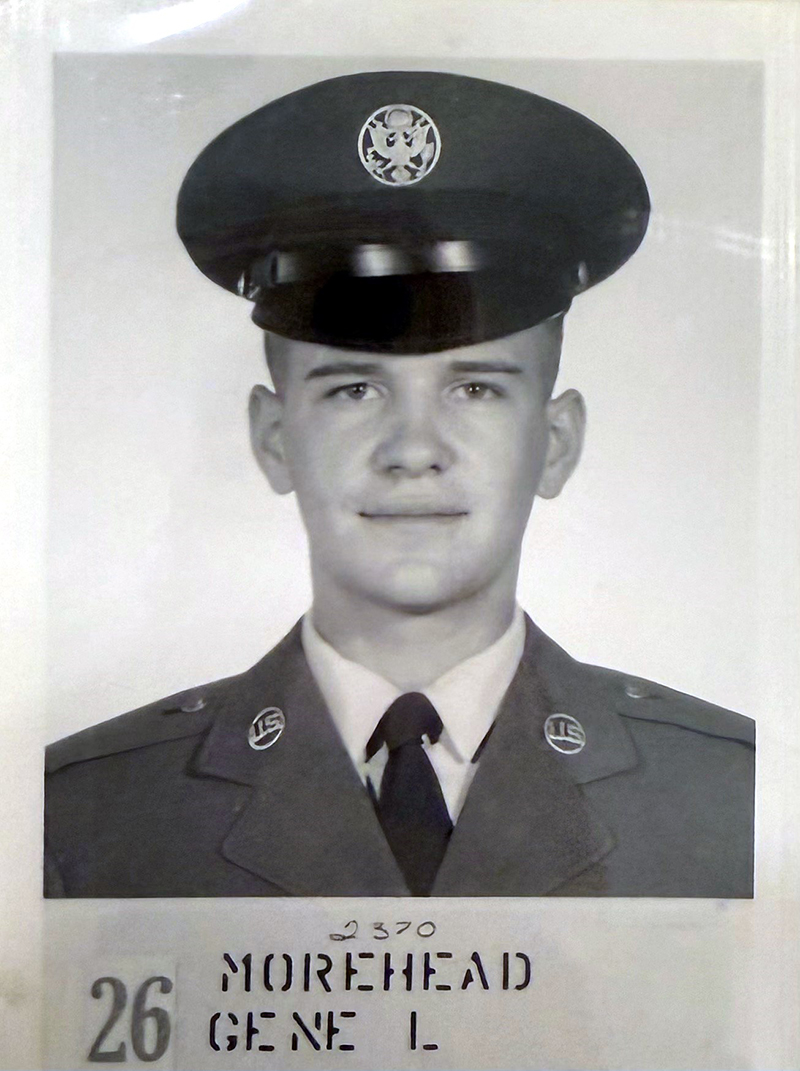
Three days later, he passed peacefully.
This trip, with all its challenges—the rivers, the trails, the injuries—was a reminder that life is unpredictable, fragile, and beautiful. Adventure teaches you to push forward, but family teaches you why it matters. The Ozarks may have tested me physically and mentally, but the lessons from home were even deeper.
To join us on this adventure and experience it unfold, watch the full 5 Day Ozark Overland Adventure Series on Road Rash Off Road YouTube:
Editor Note: You can learn more about the Ozark Overland Adventure Trail, as well as a host of additional routes throughout the U.S., by visiting Overland Trail Guides website HERE.
OutdoorX4 – Promoting responsible vehicle-based adventure travel and outdoors adventure